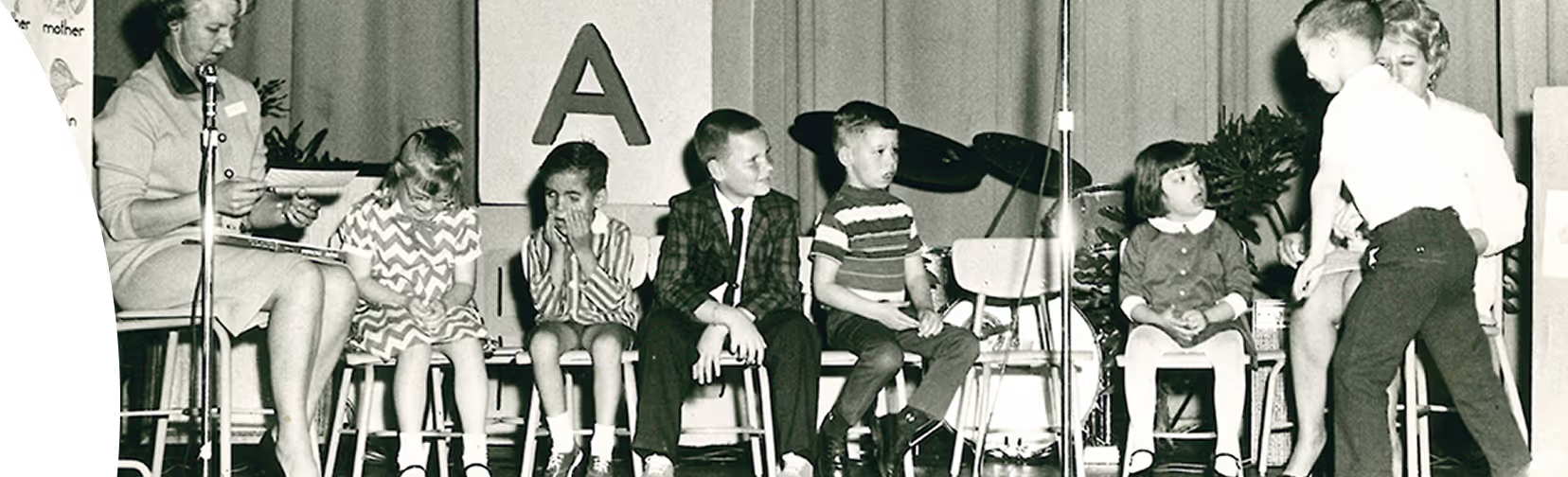

On this page, you will explore the history of Oparc and how our organization has grown over the years in response to the needs of people with disabilities and their families. Since 1950, Oparc has worked to expand access to education, training, and opportunities that support independence, inclusion, and meaningful participation in the community. This history reflects the dedication of families, staff, partners, and advocates who have helped shape Oparc into the organization it is today.






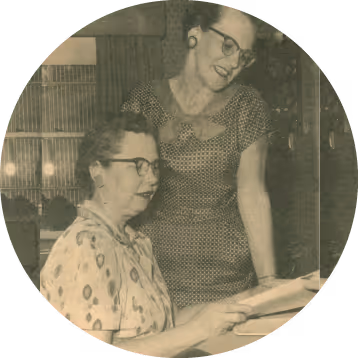



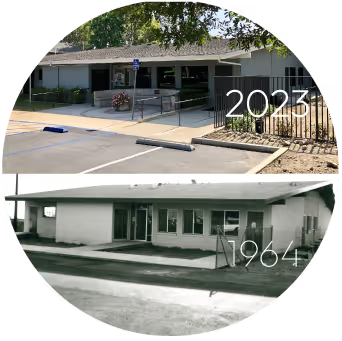

Oparc began in 1950 when five local parents responded to a newspaper ad placed by a family whose child was not eligible to attend public school because of their disability. The ad invited other parents facing similar barriers to meet and share their experiences.
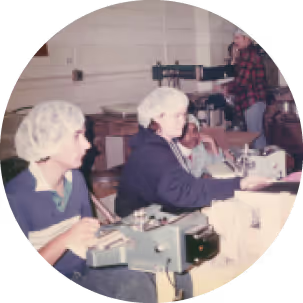
At that time, education, services, and employment opportunities were largely unavailable for people with disabilities, leaving families with few options for support.
Motivated by a shared belief that their children deserved opportunities to learn, grow, and contribute to their communities, this small group came together to create what would become Oparc. By 1952, Mrs. Sally Keechler introduced the first curriculum, laying the foundation for services that would continue to grow in response to community needs.
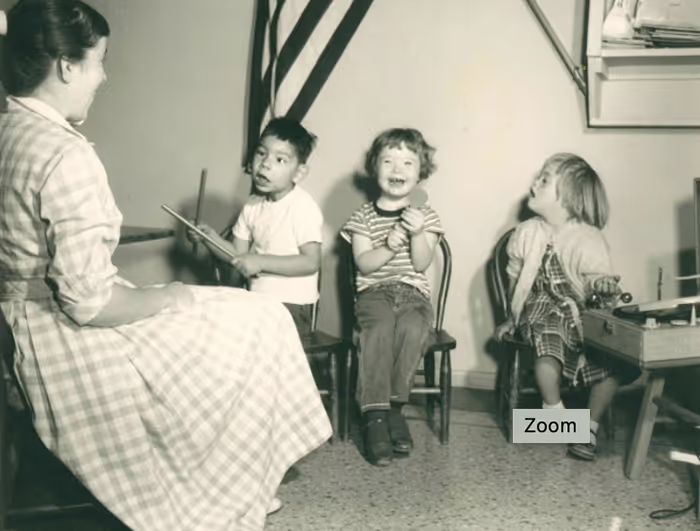
As Oparc grew, it became part of a broader movement to expand access and opportunity for people with disabilities throughout California. By the 1960s, the organization was helping to shape conversations around equitable services and supports. In 1969, Oparc was instrumental in passing the Lanterman Developmental Disabilities Services Act, which established for the first time the shared responsibility of all Californians to provide resources that support people with disabilities in leading independent, productive, and socially integrated lives.
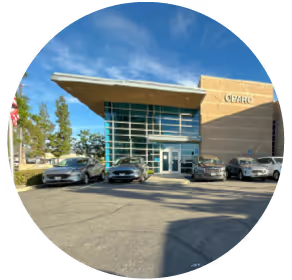
Today, this legislation is implemented through Regional Centers, including the Inland Regional Center and the San Gabriel Pomona Regional Center. Oparc partners with both agencies to provide adult day program services to qualifying individuals. While these partnerships support
essential services, community involvement remains vital in helping us offer high-quality programs that strengthen confidence, expand opportunity, and improve the daily lives of the people and families we serve.



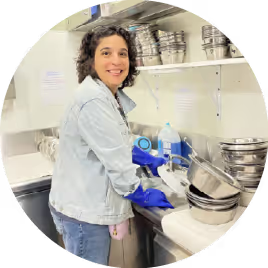
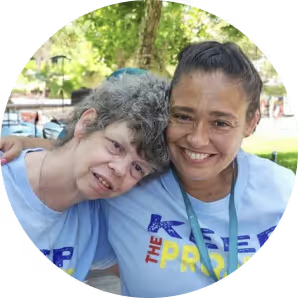
Participants reach their individual goals by choosing daily learning experiences.


Explore work, develop job skills, and succeed in meaningful employment with ongoing guidance and coaching.