


Caring for someone you love often means staying alert, thinking ahead, and working hard to protect their well-being. Families learn to anticipate challenges, advocate for services, and create stability in a world that does not always make space for people with disabilities. That commitment comes from love, and it has helped many individuals grow and thrive.
Caregiver Corner is here to support you in that journey. This space offers practical resources, helpful information, and opportunities to connect with other families who understand the path you are walking.
As your loved one grows, new possibilities begin to emerge. Many families reach a point where the question becomes not only how to keep someone safe, but how to help them explore independence, build confidence, and pursue the things that matter to them. We invite you to explore these resources at your own pace as you continue supporting your loved one’s goals and future.
At Oparc, we believe every person deserves the chance to build skills, develop relationships, and take part in the life of their community. Our programs are designed to support that journey while honoring the role families play along the way. Whether you are just beginning to explore services or looking for new opportunities for your loved one, we are here to walk beside you.
Discover upcoming community events and opportunities that help families connect, learn, and feel supported.


The Lanterman Developmental Disabilities Services Act is a California law that protects the rights of people with developmental disabilities. It ensures that individuals have access to services and supports that help them live as independently as possible in their communities.
Through the Lanterman Act, Regional Centers coordinate and fund services for eligible individuals. These services are not considered charity. They are a legal right designed to help people with disabilities build meaningful, connected lives.
Regional Center service coordinators work with individuals and families to identify the services that best support each person’s needs and goals.
If your adult family member has an intellectual or developmental disability and isn't currently connected to services, a Regional Center is where to start. Regional Centers are the gateway to publicly funded services in California—they determine eligibility and coordinate services based on individual needs.
Main Office
75 Rancho Camino Dr., Pomona, CA 91766
Phone (909) 620-7722
The California Department of Rehabilitation provides funding for job development and job coaching services—including those offered by Oparc. Getting started with DOR requires patience; the system is often understaffed and the process can feel slow. But it's a necessary first step toward paid employment services, and it's worth the effort.
Inland Empire District Offices:

The Blue Envelope Program is a helpful resource for individuals with disabilities and their families, designed to make interactions with law enforcement less stressful and more understanding. The blue envelope can be used during traffic stops or other encounters to discreetly share important information, such as identification or emergency contacts, and to signal that the person may have communication, sensory, or cognitive differences. This allows officers to better understand the situation and respond with patience, clarity, and care.
For parents and caregivers, the Blue Envelope offers added peace of mind. It supports safer, calmer interactions by reducing misunderstandings and helping law enforcement recognize when accommodations may be needed. This program reflects a shared commitment by local agencies to create safer, more inclusive communities where individuals with disabilities are respected, understood, and supported during everyday interactions.

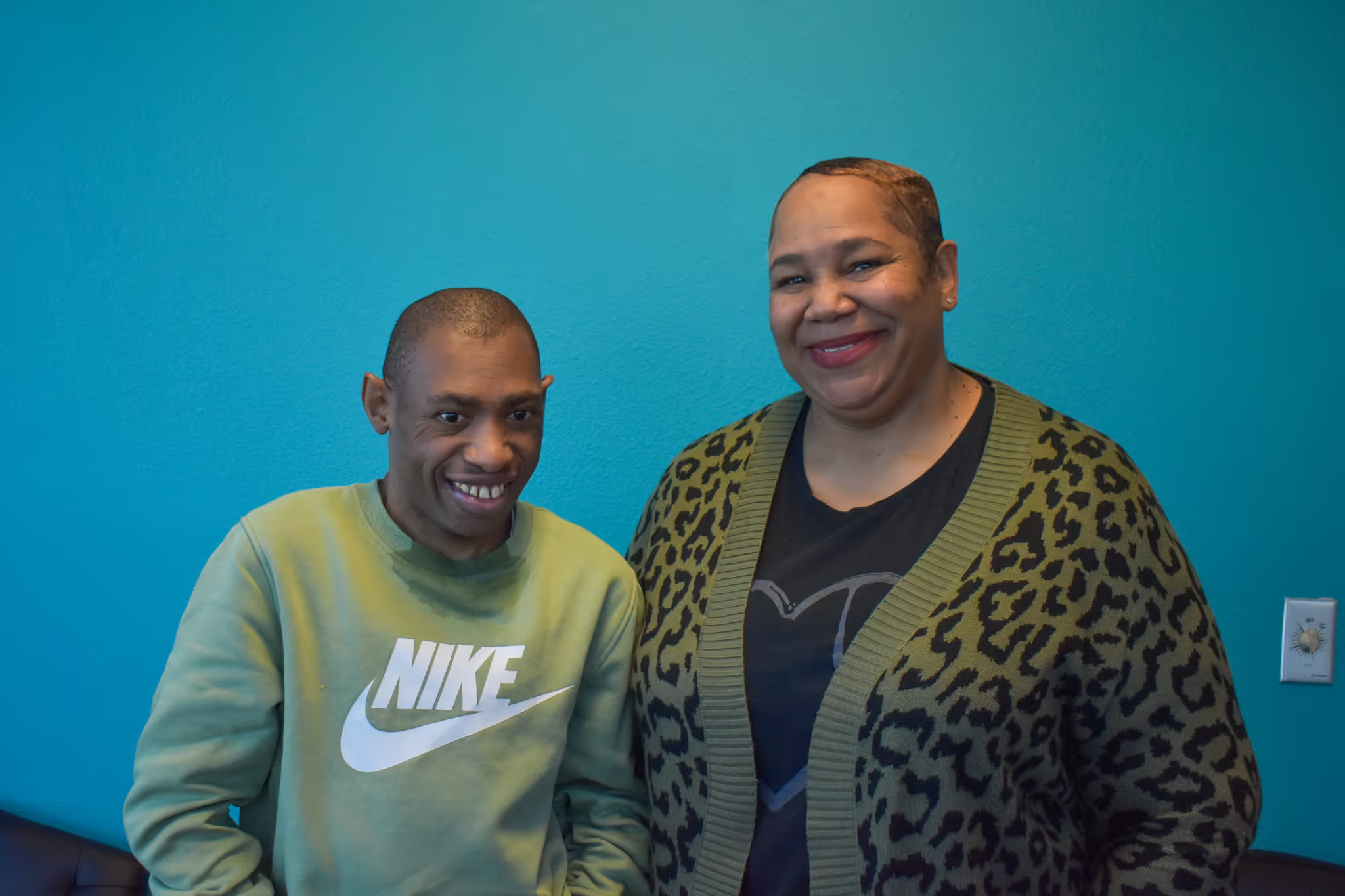
Families often spend years focusing on protection and support. At times it can also be helpful to pause and reflect on how independence and growth may continue to unfold. These questions can help start meaningful conversations with your loved one.